
Climate Change & Resiliency Planning
BEM Systems, Inc. is a comprehensive environmental engineering and consulting firm. Our team consists of environmental engineers, marine and earth scientists, as well as specialists in data management and visualization. We assist government agencies in addressing the challenges posed by climate change. Making informed decisions about operational locations and methods, along with enhancing the resilience of both natural and constructed infrastructure, is crucial in a changing climate. Our in-house team collaborates with various academic institutions that specialize in meteorology, hydrology, and coastal erosion to provide expert support.
Vulnerability & Risk Assessment
We develop a thorough assessment approach to evaluate vulnerabilities and risks associated with various climate change stressors, such as:
- Sea Level Rise
- Storm Surge
- Inland Flooding
- Coastal Erosion
- Wind
- Heat
To help decision-makers prioritize investments and improve asset resilience, our approach quantifies the risks associated with climate stressors. Following federal guidelines, BEM assesses the criticality (importance) of assets and their vulnerability to extreme weather events to generate a numerical risk score. We collaborate closely with agencies to establish criteria for scoring asset criticality and utilize relevant climate change projections to evaluate the vulnerability of these assets.
Resiliency Planning & Design
BEM has prepared NEPA documents for transportation and ecosystem restoration projects that address the impact from and to climate change. Most recently, we began leading the Environmental Impact Statement, including the climate change chapter, for a 104MW natural gas-powered microgrid intended for a mass transit agency. BEM is conducting design reviews, including performance for resilience, for over 50 Superstorm Sandy projects for a transit agency. Using our understanding of climate change vulnerabilities, BEM assists in evaluating adaptation and resiliency measures, such as green infrastructure, hardening, appropriate Design Flood Elevation, or relocation of an asset.
Cost-Benefit Assessments
BEM conducts cost-benefit assessments to ensure that prudent investments are made to protect our future. The old adage “an ounce of prevention is worth a pound of care” applies to this paradigm. The cost of investment is compared to the probability of occurrence of an extreme weather event and the cost incurred due to an impact.
Flood Forecasting & Asset Protection
AIR FORCE CIVIL ENGINEER CENTER (AFCEC), ARCTIC ALASKA
BEM conducted a preliminary vulnerability and risk assessment on behalf of AFCEC at multiple remote installations located in Alaska. The purpose was to provide a screening-level estimate of future shoreline erosion rates at these remote facilities and to conduct an initial relative assessment of risks to assets that may be vulnerable to coastal erosion. As part of this initial work, a predictive erosion model was identified that incorporates Arctic-specific influences (such as permafrost) and expanding periods and areas of ice-free water. This process-based model is currently under development through a partnership with the University of Alaska at Anchorage. It will provide greater accuracy and reliability for assessing vulnerability to coastal erosion based on its unique Arctic geomorphology. Once the model results have been validated and the vulnerability ratings of each asset updated, AFCEC will have an effective planning tool to identify when individual assets are anticipated to become susceptible to coastal erosion.
NJ TRANSIT SANDY RECOVERY AND RESILIENCE PROGRAM (SRRP)
As the Environmental Program Manager for NJ Transit’s SRRP, BEM has had a central role in the agency’s incorporation of resilience into planning, engineering, and emergency management activities. Some of the highlights include:
• Analyzing and forecasting Sea Level Rise risk for NJ Transit assets
• Developing flood evaluation design criteria and evaluating compliance with both state and federal guidance (EO 13690) throughout the assets’ life cycles
• Developing and implementing a resiliency strategy that takes into account each major asset group’s criticality and vulnerability to coastal and riverine floods, storm surges, and wind
• Conducting cost-benefit analysis for capital projects proposed for system resilience based on the FTA’s Hazard Mitigation Cost Effectiveness tool
• Incorporating recommendations from the CEQ’s Draft Guidance for Greenhouse Gas Emissions and Climate Change Impacts into NEPA documentation for capital projects
LOUISIANA COASTAL ECOSYSTEM RESTORATION
BEM has assisted the Louisiana Coastal Protection and Restoration Authority in planning coastal ecosystem restoration projects in coastal Louisiana, including the Southwest Coastal Louisiana Feasibility Study. This study combines coastal protection features and flood risk reduction for both National Ecosystem Restoration (NER) and National Economic Development (NED) benefits in one integrated report. It recommends $1.2 billion in restoration features, including wetland creation, shoreline protection, and chenier ridge reforestation, which will help increase the resiliency of southern Louisiana through restoring and preserving the protective marshes that buffer communities from storm surges. It also recommends over $800 million in nonstructural flood risk reduction measures, including structure elevation, berm construction, and building flood-proofing. As part of the planning process, BEM has helped develop adjustment factors to account for the projected increase in land loss and erosion rates due to various sea level rise projections for the Wetland Value Assessment models applied to coastal marshes in Louisiana.
Representative Projects
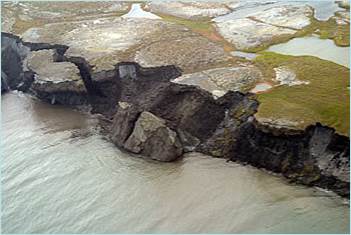
AIR FORCE CIVIL ENGINEER CENTER (AFCEC), ARCTIC ALASKA: BEM conducted a preliminary vulnerability and risk assessment on behalf of AFCEC at multiple remote installations located in Alaska.
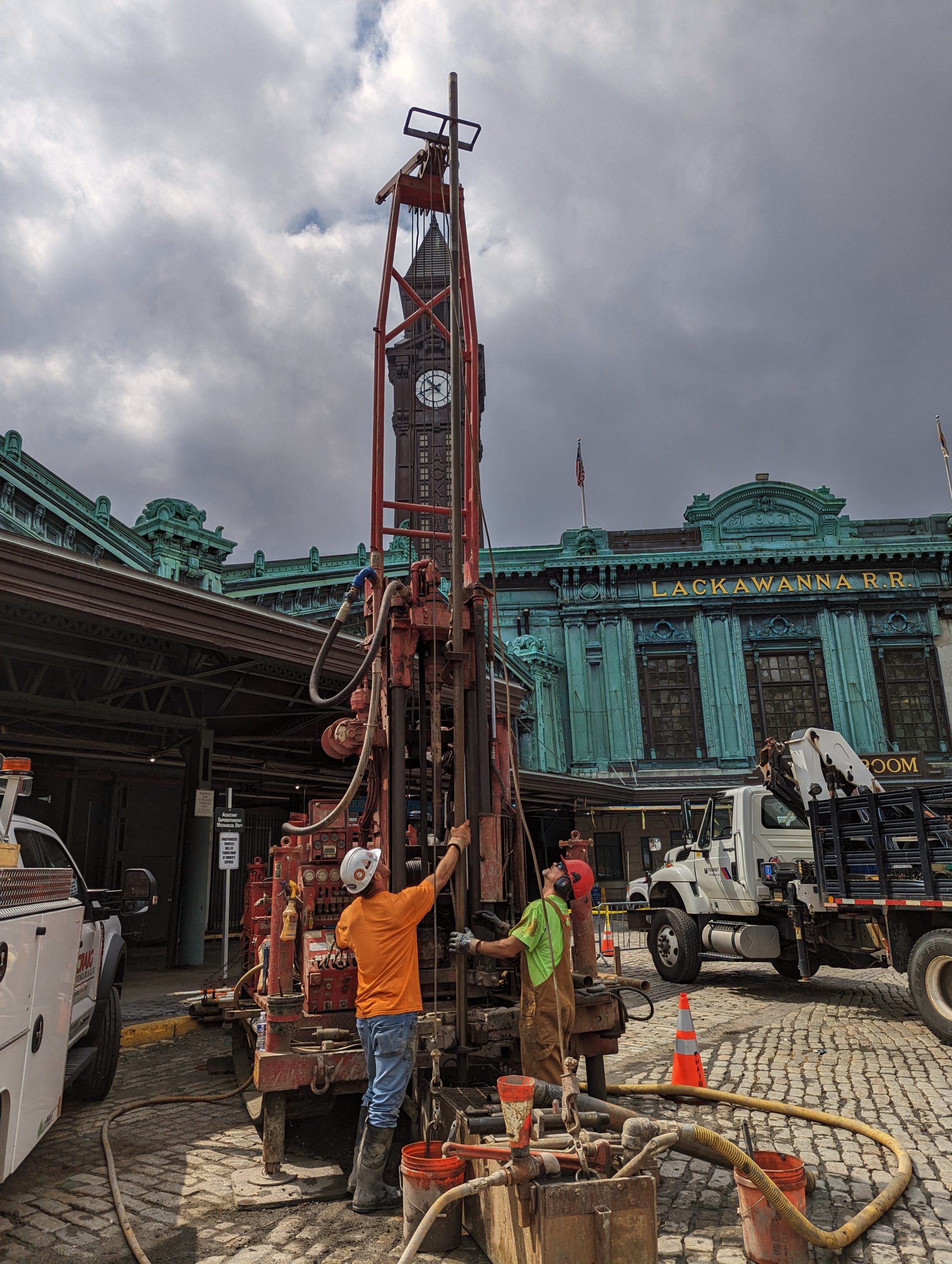
NJ TRANSIT SANDY RECOVERY AND RESILIENCE PROGRAM (SRRP): As the Environmental Program Manager for NJ Transit’s SRRP, BEM has had a central role in the agency’s incorporation of resilience into planning, engineering, and emergency management activities.
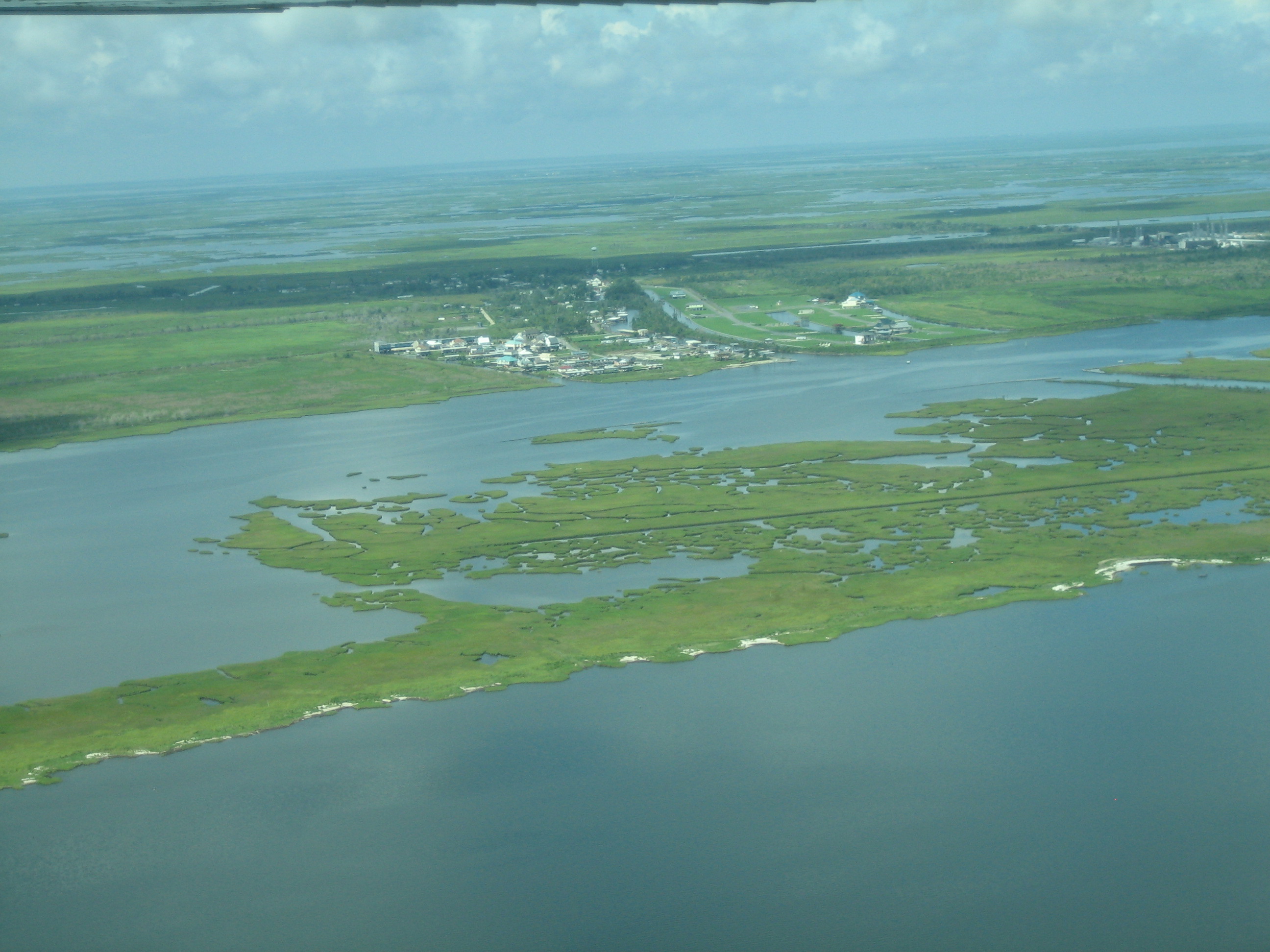
LOUISIANA COASTAL ECOSYSTEM RESTORATION: BEM has assisted the Louisiana Coastal Protection and Restoration Authority in planning coastal ecosystem restoration projects in coastal Louisiana, including the Southwest Coastal Louisiana Feasibility Study.